 KIMEC|Expert Group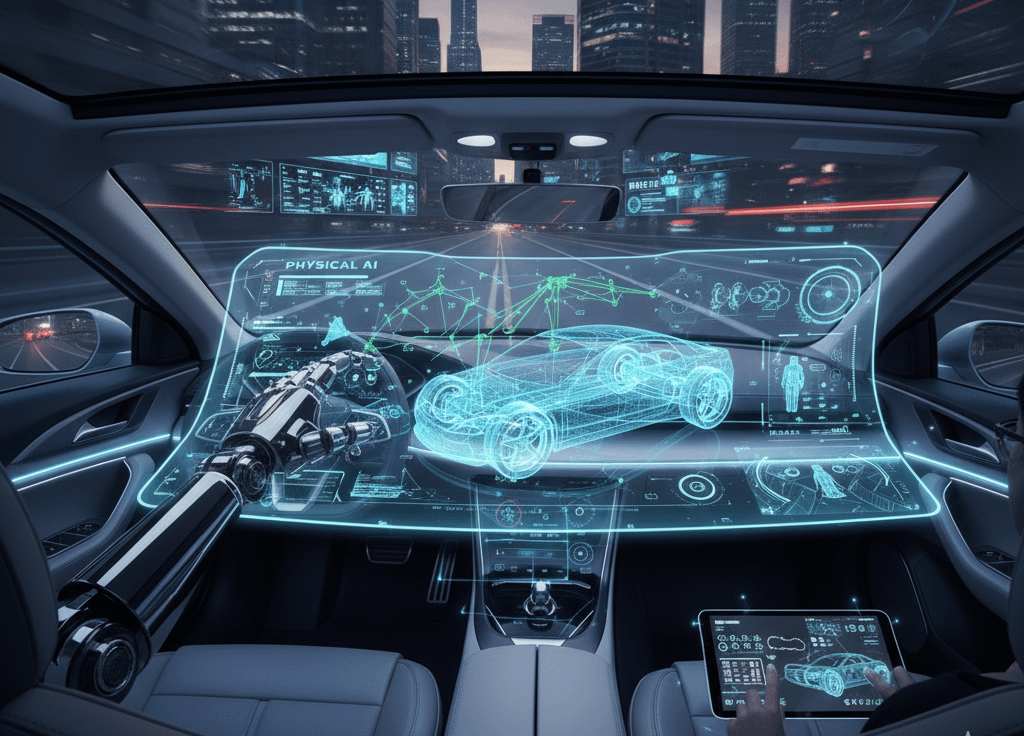
How 2026 Marks the Rise of Real‑World Intelligent Mobility
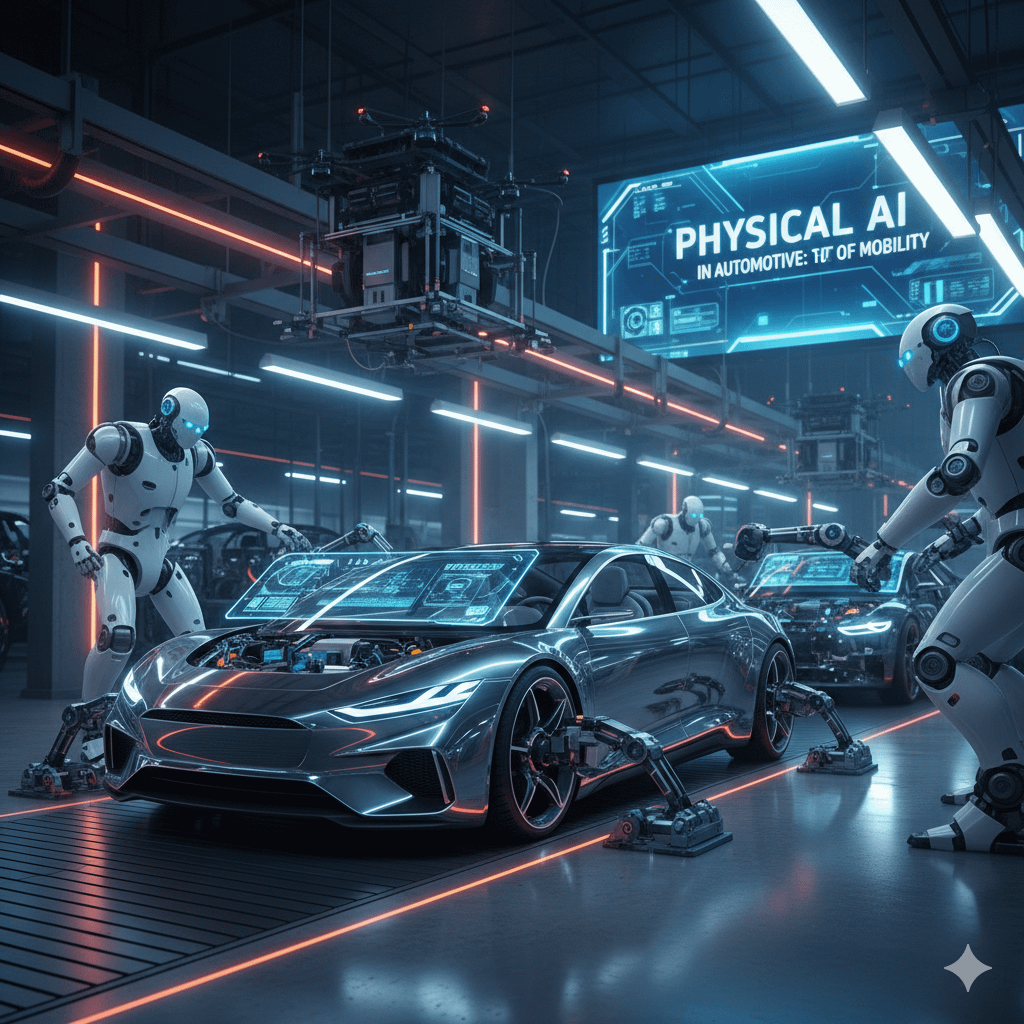
In 2026, the automotive industry is undergoing one of the most profound paradigm shifts since the invention of the microprocessor. The conversation has moved beyond electrification and beyond ADAS. Today, the industry’s most forward‑looking manufacturers and suppliers are converging on a new frontier: Physical AI—AI systems capable of reasoning about, interacting with, and adapting to the physical world in real time.
No longer constrained to simulated environments or narrow driving tasks, Physical AI is the technological backbone of the next era of autonomy, bringing together advances in generative AI, high‑fidelity simulation, large‑scale sensing, and software‑defined vehicle architectures.
This blog post dives deep into what Physical AI means, how it works, and why 2026 is the year it becomes central to automotive innovation.
1. What Is Physical AI? A New Class of Real‑World Intelligent Systems
Physical AI refers to AI models and architectures explicitly designed to interpret real‑world conditions as they unfold, respond dynamically, and make context‑aware decisions that interact with the physical environment.
Unlike traditional ADAS, which relies on rule‑based systems or narrow machine‑learning tasks, Physical AI integrates:
- Large‑scale generative models that simulate rare or complex scenarios
- Sensor fusion across radar, camera, LiDAR, ultrasonic, and V2X systems
- Real‑time predictive modeling of human behavior, traffic patterns, and environmental conditions
- Embodied decision‑making that accounts for uncertainties inherent in physical reality
At CES 2026, leading companies showcased AI systems explicitly built for real‑world reasoning. For example, NVIDIA unveiled Alpamayo, a 10‑billion‑parameter model designed to help vehicles navigate highly unpredictable driving environments—an unmistakable indicator that Physical AI is now a core competitive priority for automakers. [spglobal.com]
This marks a strategic shift: OEMs are investing less in pure electrification messaging and far more in AI-driven autonomy as EV demand softens and regulatory pressures escalate. [spglobal.com]
2. Why 2026 Is the Inflection Point for Physical AI in Automotive
2.1 Declining EV Momentum Shifts OEM Focus Toward AI
While EVs dominated the last decade, 2026 signals a realignment. Manufacturers are building strategies around AI‑centric value rather than battery‑centric competition.
With EV sales growth slowing and policy uncertainty rising, automakers are leveraging Physical AI to reduce production costs, enhance efficiency, and differentiate user experiences beyond range and charging speed. [spglobal.com]
2.2 Robotaxis Push Physical AI Into Commercial Reality
Robotaxi demonstrations at CES 2026—highlighted by Tesla, Rivian, Waymo, and Lucid—emphasized the need for AI systems capable of operating in dense, unpredictable environments. These companies framed robotaxis not as futuristic prototypes, but as near‑term commercial platforms powered by real‑time physical reasoning. [spglobal.com]
2.3 SDVs (Software‑Defined Vehicles) Create the Perfect Substrate
Physical AI requires massive compute integration and constant learning. This is only possible because vehicles are now transitioning into software-defined platforms, where AI models—rather than hardware—determine capabilities. CES 2026 showcased cars marketed explicitly as intelligent, upgradable digital platforms. [spglobal.com]
3. Core Technologies Powering Physical AI in Automotive
3.1 High‑Fidelity Simulation & Synthetic Data
A breakthrough enabling Physical AI is the real‑time generation of synthetic environments that replicate rare corner cases. NVIDIA’s simulation platforms are central to this movement, providing automotive AI with massive, diverse training datasets nearly impossible to achieve in the real world. [spglobal.com]
This allows models to anticipate:
- Unusual human behaviors
- Urban micro‑interactions
- Extreme weather effects
- Road anomalies
All without waiting for real‑world collection.
3.2 Multi‑Sensor Fusion and Context Awareness
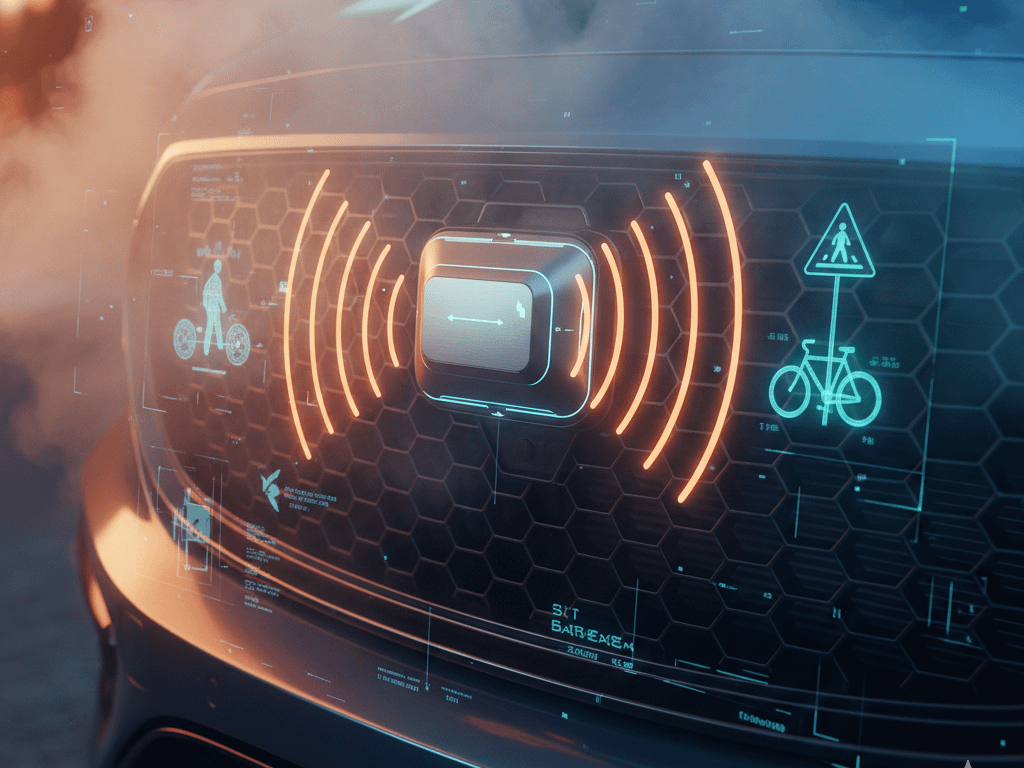
Physical AI integrates camera, radar, LiDAR, IMUs, and V2X into unified understanding structures. The goal is not just perception, but context awareness.
Vehicles are learning to interpret motion flows, social cues, and environmental signals in ways previously impossible.
3.3 Integrated Compute Platforms (e.g., Snapdragon Ride Flex)
Platforms combining infotainment and ADAS compute into unified architectures offer a critical foundation.
By merging these domains safely, Qualcomm’s Snapdragon Ride Flex architecture helps reduce complexity, enhance real‑time decision‑making, and support Physical AI at scale. [techradar.com]
4. Real‑World Applications Emerging in 2026
4.1 Next‑Level Urban Autonomy
Hands‑free urban driving demonstrations at CES showed meaningful advances toward Level 3+ and Level 4 autonomy.
Manufacturers showcased AI systems that interpret:
- pedestrian unpredictability
- micro‑traffic interactions
- dynamically changing environments
Examples include Waymo’s contextual reasoning models and Lucid’s sensor‑heavy fleet‑focused robotaxi prototype. [spglobal.com]
4.2 Intelligent Driver Monitoring & Behavioral Prediction
Physical AI extends inside the cabin as well, identifying:
- driver fatigue
- distraction
- impairment
- cognitive load
These systems combine biometric data with contextual driving behavior, enhancing safety beyond reactive alerts. [familyhandyman.com]
4.3 Predictive Maintenance With Agentic AI
In 2026, vehicles equipped with agentic AI copilots detect component degradation and schedule maintenance before failures occur, integrating natural‑language interaction with predictive diagnostics. [familyhandyman.com]
5. Why Physical AI Will Redefine Automotive Strategy
5.1 Economic Advantages for OEMs
As Physical AI improves navigation, processing, and safety, OEMs can:
- reduce sensor redundancy
- lower hardware costs
- streamline development through simulation
- deploy updates over the air rather than redesign hardware
These efficiencies align perfectly with the current margin pressures caused by tariffs, slowing EV demand, and supply chain disruptions.
5.2 Regulatory Alignment
Governments increasingly prefer scalable AI‑driven safety solutions over strict EV quotas. Manufacturers focusing on intelligent autonomy are better positioned to meet evolving standards.
5.3 Creating Differentiated Consumer Value
Consumers increasingly expect vehicles that are:
- adaptive
- personalized
- continuously improving
- safer without conscious effort
Physical AI is the only technology capable of delivering this at scale.
6. Looking Ahead: The Next Five Years of Physical AI in Automotive
By 2030, Physical AI will likely become:
- the main determinant of vehicle safety
- the differentiator between premium and mainstream brands
- the foundation of autonomous logistics, robotaxis, and mobility ecosystems
- a core driver of automotive cybersecurity demand, as software‑defined vehicles scale infrastructure‑dependent capabilities [startus-insights.com]
The car is no longer just a vehicle—it is becoming an intelligent, adaptive agent embedded in the physical world.
Conclusion: 2026 Is the Year Physical AI Becomes the Automotive Centerpiece
The shift to Physical AI is not hype. It is a direct response to economic pressures, technological maturity, shifting consumer expectations, and the limitations of traditional autonomy architectures.
As 2026 unfolds, Physical AI is transforming vehicles from static machines into dynamic, real‑time reasoning systems capable of navigating the complexities of the physical world with unprecedented intelligence.
This is not just an evolution of automotive technology.
It is the beginning of the automotive intelligence era.
+++ Korean Version +++
Automotive 분야에서의 Physical AI: 2026년, 실세계 지능형 모빌리티가 본격화되는 해
2026년, 자동차 산업은 미세한 기술 개선의 시대를 넘어 완전히 새로운 패러다임으로 이동하고 있습니다. 한동안 산업을 지배하던 키워드는 전동화(EV)와 ADAS(첨단 운전자 지원 시스템)였지만, 올해는 이야기가 완전히 달라졌습니다. 이제 산업의 핵심 화두는 바로 Physical AI, 즉 현실 세계를 실시간으로 해석하고 반응하며 상황에 맞춰 의사결정을 내릴 수 있는 AI 시스템입니다.
Physical AI는 제조사들이 직면한 기술적·경제적 과제를 해결하는 동시에, 자율주행의 완성도와 안전성을 극적으로 향상시키는 핵심 동력으로 부상하고 있습니다. CES 2026 및 글로벌 OEM 동향 역시 이 변화를 명확히 보여줍니다. [spglobal.com]
1. Physical AI란 무엇인가? — 현실 기반 지능의 탄생
Physical AI는 주변 환경을 실시간으로 이해하고, 상황적 맥락(context)을 판단하고, 물리적 세계에서 발생하는 불확실성에 적응하며 능동적인 행동을 수행할 수 있도록 설계된 AI 기술을 의미합니다.
전통적인 자율주행 기술(예: 규칙 기반 ADAS)이 갖는 한계를 넘어, Physical AI는 다음 세 가지 핵심 요소를 통합합니다.
- 초대규모 생성형 AI(Generative AI): 예측 불가능한 상황까지 포함한 방대한 시뮬레이션 데이터 생성
- 고도 센서 융합(Sensor Fusion): 카메라·라이다·레이더·V2X 데이터를 하나의 동적 모델로 통합
- 실세계 기반 의사결정(Embodied Intelligence): 실제 환경의 변수를 실시간 반영해 유연하게 행동
CES 2026에서는 NVIDIA가 **100억 파라미터 규모의 물리 지능 모델 ‘Alpamayo’**를 공개하며, 물리 환경에서 AI가 어떻게 추론해야 하는지 새로운 표준을 제시했습니다. [spglobal.com]
2. 왜 2026년이 Physical AI의 전환점인가
2.1 EV 성장 둔화 → AI 중심 전략으로의 이동
전기차 수요 둔화와 정책 변화로 인해 OEM들은 기술 차별화의 중심을 배터리에서 AI로 이동시키고 있습니다.
2026년 CES에서도 OEM들의 전략적 메시지는 EV가 아니라 AI 중심의 자율주행·지능형 플랫폼에 집중되었습니다. [spglobal.com]
2.2 로보택시 상용화 압력 증가
테슬라, 리비안, 웨이모, 루시드 등은 2026년 로보택시 배치를 구체화하며 고난도 도시 환경에서 실시간 해석 능력을 갖춘 Physical AI의 필요성을 강조했습니다. [spglobal.com]
2.3 소프트웨어 정의 차량(SDV)의 확산
차량이 하드웨어 중심에서 지속적으로 업데이트 가능한 소프트웨어 플랫폼으로 전환되면서 Physical AI를 적용할 수 있는 기술 토대가 완성되었습니다.
Sony Honda Mobility 역시 AI 기반 경험 중심 차량 전략을 발표했습니다. [spglobal.com]
3. Physical AI를 가능하게 하는 핵심 기술 기반
3.1 고해상도 시뮬레이션 및 합성 데이터(Synthetic Data)
다양한 극한 상황을 아우르는 시나리오 생성을 위해 고해상도 합성 데이터가 필수 요소가 되었습니다.
NVIDIA의 시뮬레이션 플랫폼은 물리 AI 훈련에 필요하지만 실제로 수집하기 어려운 장면을 대규모로 생성하여 자율주행 AI의 한계를 극복하도록 지원합니다. [spglobal.com]
3.2 센서 융합과 상황 인지(Context Awareness)
카메라·라이다·레이더·V2X 데이터를 통합하여 단순 인식(perception)이 아니라 상황 인지를 수행합니다.
이는 보행자 의도 파악, 교통 흐름 모델링, 비정형 환경 적응을 가능하게 합니다.
3.3 통합형 고성능 차량 컴퓨팅 플랫폼
Qualcomm의 Snapdragon Ride Flex는 인포테인먼트와 ADAS 계산을 단일 SoC에서 처리하는 구조를 통해 Physical AI가 실시간으로 작동할 수 있는 컴퓨팅 토대를 제공합니다. [techradar.com]
4. 2026년에 등장한 Physical AI 활용 사례
4.1 도시 자율주행의 고도화
CES 2026에서는 완전한 시내 주행을 목표로 하는 ‘핸즈프리’, ‘아이즈 오프(Eyes‑off)’ 기술이 다수 공개되었습니다.
루시드와 웨이모는 다중 센서 기반 도시 자율주행을 시연했고, 로보택시 플랫폼에 최적화된 설계를 발표했습니다. [spglobal.com]
4.2 인캐빈(In‑cabin) AI 및 운전자 상태 모니터링
AI가 운전자의 피로·주의력·음주·감정 상태 등을 감지해 주행 안전성을 강화하는 기술이 급부상했습니다.
2026년 차량은 클라우드 기반 연결성과 결합해 더 정교한 모니터링 기능을 제공합니다. [familyhandyman.com]
4.3 예지 정비(Predictive Maintenance)와 Agentic AI
Agentic AI 기반으로 차량 스스로 부품 마모를 감지하고, 경고 의미를 설명하며 서비스 일정까지 자동 예약하는 예지정비 플랫폼이 본격적으로 상용화되었습니다. [familyhandyman.com]
5. Physical AI가 자동차 산업 전략을 바꾸는 이유
5.1 OEM의 비용 구조 최적화
Physical AI는 필요 센서 수를 줄이고, 시뮬레이션 중심 개발로 R&D 효율을 높이며, OTA 업데이트를 통해 하드웨어 개편 없이 기능을 확장하도록 만듭니다.
5.2 규제 및 안전 표준 대응 강화
규제 기관은 이제 차량 지능화를 통해 안전을 강화하는 방향으로 정책을 수정하고 있습니다.
AI 기반 안전성 평가가 EV 규제 완화 트렌드와 맞물리면서 OEM의 전략적 우선순위가 변화하고 있습니다.
5.3 소비자 가치 변화 반영
소비자는 ‘출력과 디자인’보다 개인화·안전·지능화·편의성을 중시하는 방향으로 이동했습니다.
Physical AI는 이러한 수요를 정교하게 충족시키는 기술입니다.
6. 향후 5년: Physical AI가 여는 자동차 산업의 미래
2030년까지 Physical AI는 다음 분야에서 결정적 역할을 하게 될 것입니다:
- 안전성의 핵심 요소
- 자율주행·로보택시 상용화의 중심 엔진
- 지능적 공급망·제조 자동화와 연결된 차량 생태계 기반
- 사이버 보안 수요 급증을 촉발하는 핵심 요인 (소프트웨어 정의 차량 확산) [startus-insights.com]
자동차는 더 이상 단순한 이동 수단이 아니라, 현실 세계에서 스스로 사고하고 판단하는 지능형 에이전트로 진화하고 있습니다.
결론: 2026년, Physical AI가 자동차 산업의 중심으로 부상하다
Physical AI는 단순한 기술 트렌드가 아니라, OEM들이 마주한 경제적·기술적·정책적 한계를 동시에 극복하는 해법입니다.
2026년은 자동차가 ‘움직이는 컴퓨터’를 넘어 **‘실시간으로 현실을 이해하고 대처하는 자율적 지능 시스템’**으로 변모하는 원년입니다.
자동차 산업의 미래는 더 이상 전동화 중심이 아니라, 지능 중심입니다.
Physical AI는 그 대전환의 핵심입니다.
작성자 소개


Share your link, earn rewards—sign up for our affiliate program!
Partner with us and enjoy high payouts—apply now!
Earn passive income on autopilot—become our affiliate!
Turn your network into income—apply to our affiliate program!
Join our affiliate community and maximize your profits—sign up now!